
What is shoulder dislocation?
The shoulder joint is a ball and socket type of joint between the head of humerus (ball) and glenoid (socket). Shoulder dislocation is when the head of humerus (ball) completely pops out of the cup-shaped socket (glenoid). If it happens partially it is called subluxation.
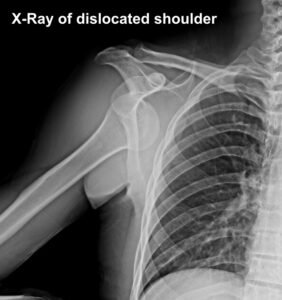
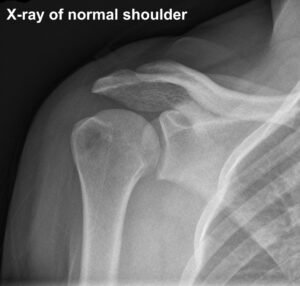
What are the causes of shoulder dislocation?
- A first time shoulder dislocation is usually following a significant injury like a fall, heavy blow to shoulder, sudden twisting motion. Common scenarios include car accidents, contact sports, seizures and electric shock.
- In individuals with hypermobility (double-jointed), the shoulder can dislocate even without any injury.
What are the symptoms of shoulder dislocation?
- Severe pain in the shoulder
- Inability to move the shoulder
- Swelling and bruising around the shoulder
- Deformed appearance of the shoulder
- Numbness or tingling in the arm
What to do if I have dislocated the shoulder?
If you think you have dislocated your shoulder, it is important to seek medical attention immediately. Visit your nearest hospital with Emergency services. The shoulder needs to be reduced as early as possible. In most cases, the joint can be reduced in the emergency room under cover of strong pain killers. However in some cases you may need full anaesthesia to reduce the shoulder.
Post reduction, the shoulder is immobilisaed in a sling.
When do I need surgery?
Most patients with first time dislocation will not need surgery. Surgery is needed only if you have recurrent shoulder dislocation or shoulder instability.
What is recurrent shoulder dislocation and shoulder instability?
Recurrent shoulder dislocation is a condition where the shoulder dislocates multiple times. The main symptom of shoulder instability is that you can feel the ball of the shoulder come out of its socket or “give way” even with normal overhead activities. This is commonly associated with pain. Often, the episodes of giving way occur with specific activities or positions of the arm, such as throwing a ball, reaching an object in the overhead shelf or holding the overhead rail in train or bus.
What are the types of surgeries for recurrent shoulder dislocation?
- Arthroscopic shoulder stabilisation (Bankart’s repair) Know More
- Arthroscopic bone block stabilisation
- Latarjet procedure