
What is rotator cuff?
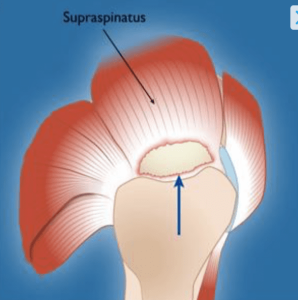
The rotator cuff is a group of four muscles and their tendons in the shoulder that work together to stabilize and move the shoulder joint. These muscles are: Supraspinatus, Infraspinatus, Subscapularis and Teres minor. A healthy rotator cuff is crucial for various daily activities, from reaching for objects to engaging in sports and exercise.
What are the common problems seen in rotator cuff?
Rotator cuff problems is one of most common causes of shoulder pain. The common problems include the following:
- Cuff tendinopathy: Inflammation of the rotator cuff without any tears in the tendon.
- Calcific tendonitis: It is a type of cuff inflammation where calcific deposits are seen in the cuff tissue or in surrounding bursa.
- Partial thickness tears of rotator cuff tendon
- Full thickness tears of rotator cuff tendon
What are the main symptoms of rotator cuff tear?
- Shoulder pain: This is the most common symptom of a rotator cuff tear. The pain may be worse at night or when lifting the arm overhead and it can radiate to the elbow.
- Weakness: Difficulty lifting the arm or performing other overhead activities.
- Loss of shoulder movements: Inability to move the shoulder in specific directions
What are the causes of cuff tears?
There are two main causes of cuff tears:
1) Degenerative (Wear-Related) Tear: This is the most common type of cuff tear, and is mainly seen in people over the age of 40. It occurs due to the natural wear and tear of the rotator cuff tendons over time. It has a slow progression, with pain and weakness gradually increasing over time.
2) Traumatic Tear: This type of tear occurs following an injury, such as a fall on an outstretched arm or a direct blow to the shoulder or following shoulder dislocation. Traumatic tears are seen in all age groups.
What are the risk factors for getting a cuff tear?
- Age: The risk of cuff tears increases with age, as the tendons become weaker and less elastic. Cuff problems are mainly seen in ages above 40 years.
- Occupation: People who work in jobs that require repetitive overhead motions, such as construction workers or painters, teachers (writing on board) are at higher risk.
- Sports: Athletes who participate in sports that involve repetitive overhead motions, such as swimming, tennis, or baseball, are also at higher risk.
What investigations do i need?
- X-rays (Radiographs): Though X-rays cannot show rotator cuff, it is the first line of investigation and can help to rule out other causes of shoulder pain.
- MRI: An MRI scan can detect rotator cuff tears, their size, presence of inflammation and quality of tendon and status of joint cartilage.
- Ultrasound: An ultrasound can also be used to visualize the rotator cuff tendons and is an alternative when MRI cannot be done or contraindicated.
What are the long term effects of having a rotator cuff tear?
The long-term effects of a rotator cuff tear can vary depending on the severity of the tear. In some cases, the tear may heal on its own with conservative treatment. However, in other cases, surgery may be needed to repair the tear. Large tear when left unrepaired can result in cuff tear arthropathy (arthritis)
What are the treatment options of rotator cuff tear?
The treatment depends upon the nature of the tear and patient’s lifestyle.
The options include:
- Exercises and Physiotherapy
- Orthobiologics & Injections: Steroids or Plasma Injections (PRP) – Know More
- Surgery: Arthroscopic or Open rotator cuff repair
Does my the rotator cuff tear need to be repaired? Do I need surgery?
The need for surgical repair is decided based on the nature of tear and your symptoms, age and lifestyle. Generally traumatic tears are more likely to need surgery while degenerative tears do well with non-operative methods. There are pros and cons for each. If you are experiencing shoulder pain, it is important to see a doctor to get a diagnosis and discuss treatment options. Early treatment can help prevent further damage to the rotator cuff and improve your chances of a full recovery.